
Before the money goes on the unit
You have picked an insert, or narrowed it to two. Before the order goes in, there are two sets of rules that touch the job: the national chimney standard that decides how deep the inspection should go, and the regional air rules that decide when a wood fire may be lit. Neither is complicated, and both change what you should buy and in what order. This is how they apply to a Montebello house.
The inspection the standard expects
NFPA 211 is the standard most chimney work in the United States is measured against. It describes inspections of increasing depth. The lightest is a look at what is in reach. The middle one, a Level 2, sends a camera up the whole flue, takes in the crown, cap and flashing from the roof, and checks where the chimney passes the attic and other spaces it can be reached from. The deepest means opening walls and is rare.
The standard ties the middle level to certain moments, and one of them is a change to the system. Swapping an open fire for a sealed insert, changing the fuel from wood to gas, or adding a liner are all changes of that kind. So the inspection that belongs before an insert is the Level 2. With us it costs $370.
The lighter visual check, at $52, still has a place. It suits a fireplace that will keep burning what it burned last winter, with nothing new going in. It is not enough for an insert, because the camera is the only way to see the flue the new liner will run through.
What the camera tells you before you buy
- Whether the old tile has to come out. Some liners fit through the existing flue; a thick insulated one for a wood unit may not. If the camera shows a narrow or offset flue, the unit or liner choice changes.
- Cracks and gaps. Broken tile and open joints are common in chimneys around the San Gabriel Valley, which took the 1987 Whittier Narrows quake almost on its doorstep. A liner carries the exhaust past that damage, but loose material has to be cleared first.
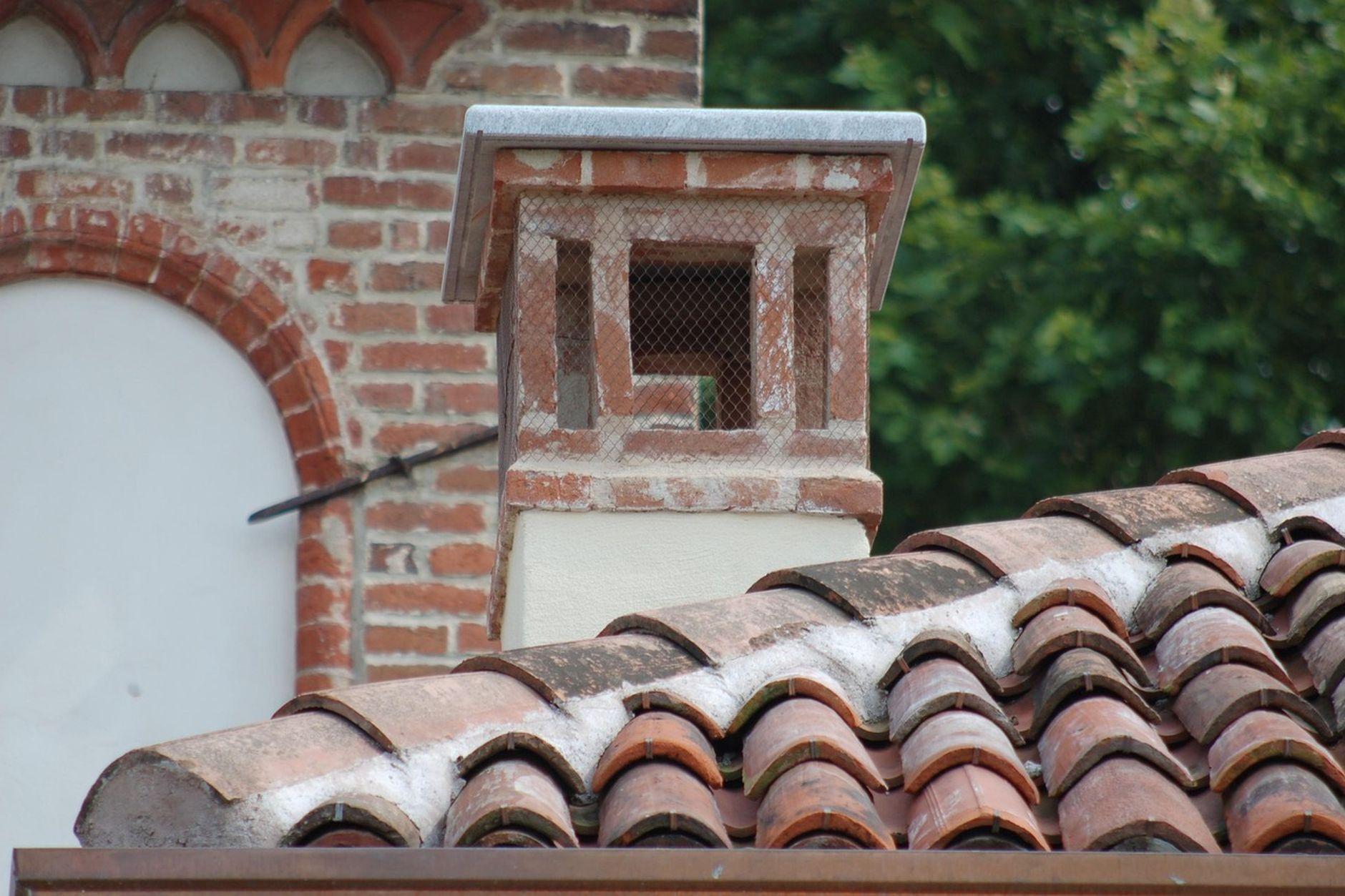
- What sits above the roof. A crumbling crown or loose top courses need repair before a liner and cap are sealed to them.
- What has been burning. Heavy creosote means a sweep first.
Each of those adds a line to the plan. Knowing them before you choose a unit keeps the quote honest and stops a surprise on install day.
The air rules in Montebello
Montebello sits inside the South Coast Air Quality Management District. Its Rule 445 lets the district announce days in the colder months when burning wood in a fireplace or stove is not allowed, on the nights when smoke would sit low over the basin. Gas appliances are not affected by those alerts. The rule also limits wood burning fireplaces in new housing developments, which does not touch an insert going into an existing house.
What that means for your choice:
- A gas insert is usable on every winter night.
- A wood insert sits cold on an alert night, like an open fire would.
- A pellet insert burns a solid fuel, so ask us about the district's current position for your model when we visit.
Many owners who start out wanting wood switch to gas once they count the alert nights they would lose. Our gas, wood or pellet comparison sets the three side by side.
How the inspection and the quote fit together
The Level 2 comes first. We then measure the firebox, check the gas supply and talk through models. The quote that follows names the unit, the liner, the cap, the trim, and any repair the camera found as a separate line. For gas inserts fitted into an existing brick fireplace, our range is $2,650 to $5,300.
Book the Level 2 and tell us which insert you are considering, and we will look at the chimney with that unit in mind and write the quote around what we find.
If you already have a report
If a Level 2 was done on the chimney in the last year, for a home purchase or after a repair, mention it when you book and we will read it. If it covered the full flue with video and nothing has changed since, we may be able to plan the insert without another camera run. If it was a lighter check, or it predates a quake or a chimney fire, we will recommend a fresh one.
Carbon monoxide
An insert, like any fuel burning appliance, makes carbon monoxide. A working alarm near the bedrooms and on each floor is a sensible part of any install. We check that the unit vents properly and that the cap is clear when we light it for the first time with you.
What a buyer or a lender will ask later
An insert changes how the chimney is used, and that change follows the house. When you sell, a buyer's inspector will see a sealed unit and ask what is behind it. A Level 2 report from before the install, the quote that names the liner and the maker's papers together answer that question. Keep them with the house documents. They show the chimney was checked before the new unit went in and that the venting was sized to it, which is the part nobody can see once the trim is on.
Montebello and the next towns over
We inspect chimneys and fit inserts in Montebello, Monterey Park, Whittier and El Monte. The Level 2 inspection page lists what the visit covers, and our fireplace inserts page covers the units.
When you are ready to put a camera up the chimney before choosing your insert, reach us through the contact page.
Want the Options Measured for Your House?
Lacey Chimney Experts sizes the opening, films the flue and sets gas, wood and pellet inserts side by side with their figures. Book from Montebello, Monterey Park, Whittier, El Monte or nearby.