
Four figures to hold while you shop
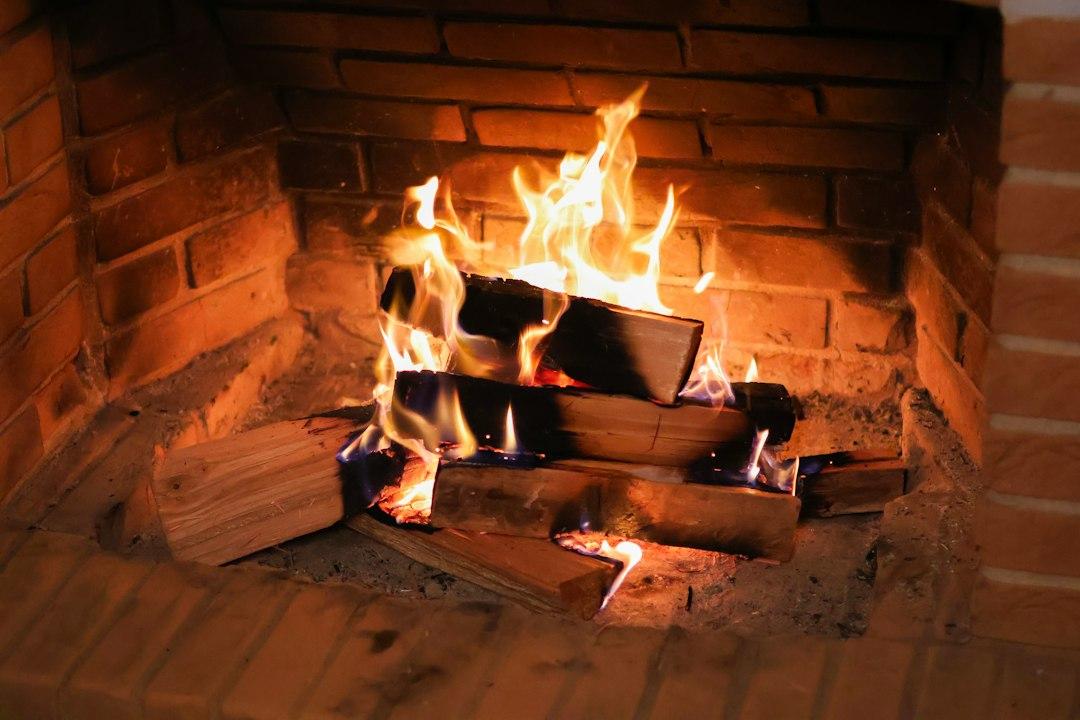
An open brick fireplace in a Montebello living room sends most of its warmth up the chimney and pulls heated air from the rest of the house after it. A sealed insert turns that opening into a heater you can actually use on a cold January evening. The first thing owners want to know is the money, so here are the numbers we publish and the ones we keep off the page until we have measured.
- Gas, fitted into the brick fireplace you already have, venting included: $2,650 to $5,300.
- Gas, framed into a wall that has never held a fireplace and vented straight outdoors: $4,250 to $8,500.
- The camera inspection we run on the chimney before any insert goes in: $370.
- Wood and pellet units: no published figure. The steel boxes differ so much in weight, burn rate and venting that a fair number only exists for your opening, once we have the tape on it.
The gap between those two gas lines is the gap between reusing a chimney and building a new path for the exhaust. Most homes in Montebello, Monterey Park and the older streets of El Monte already have the brick, so the first line is the one that usually applies.
Why one gas job costs twice another
The low end of the first range is a compact unit with simple controls, in a single storey house where a gas valve already sits beside the hearth. The high end is a wide firebox, a heavier unit with a blower and a wall thermostat, a long run of liner up a two storey stack and a decorative front. Six things move a quote along that line:
- The opening. Inserts are built in set widths and depths. A shallow or narrow firebox limits the models that fit, and the ones that do are sometimes the larger, dearer bodies with a trim panel to cover the gap.
- The height of the run. A ranch house needs a short liner. A two storey house in the Whittier hills needs one twice as long, plus more time on the roof.
- Gas at the hearth. Plenty of older houses have a valve near the fireplace from a log lighter. When there is none, bringing a supply line to the hearth is its own item on the quote.
- Controls and fan. A standing pilot with a wall switch costs less than a remote with a thermostat and a blower that pushes warm air into the room.
- The face. A trim kit is part of the install. A new surround or mantel belongs to a fireplace remodel and is priced apart.
- The chimney itself. If the inspection finds a broken crown or loose brick at the top, that is fixed first and listed on its own line, so you can see what the insert costs and what the chimney needs.
Where most jobs land
| Your house | Place in the gas range |
|---|---|
| One storey, gas valve at the hearth, compact unit, switch control | Near $2,650 |
| One storey, new gas supply, blower and remote | Middle of the range |
| Two storey stack, wide firebox, thermostat, decorative front | Toward $5,300 |
Tell us the width and height of your fireplace opening and whether gas reaches the hearth, and we will book a measuring visit and send a written total for each unit that fits.
What the price leaves out
An insert quote covers the unit, its venting up the chimney, the cap on top and the trim around the face. It does not cover masonry repairs the inspection turns up, a new surround, electrical work beyond plugging a blower into an outlet that is already there, or painting around the opening. We would rather you see those as separate lines than find them folded into one large number you cannot compare with anyone else.
It also does not cover a sweep of a flue that has burned wood for decades. Before a liner goes down an old wood chimney, the creosote has to come out, and a chimney sweep starts from $395. If the house was swept recently, that line drops off.
Why wood and pellet have no published price
A wood insert is a heavy steel firebox with a baffle and a door, and it needs a full height stainless liner sized to its outlet. The units range from small boxes that heat a den to large ones built for an open plan ground floor. Montebello sits inside the South Coast air district, so on winter no-burn days a wood insert stays cold like any other wood fire. Some owners are happy with that trade for the sound and smell of real logs. Others decide gas is the better fit once they count the days they would lose.
A pellet insert burns compressed pellets fed from a hopper by a small motor, and it needs a power outlet near the hearth. Its vent is a narrow pipe rather than a wide liner. Pellet units are efficient and steady, but they bring moving parts that need service, which we cover on our pellet stove repair page. If you are weighing all three fuels, our gas, wood or pellet comparison sets them next to each other.
The order of a job
1. A Level 2 inspection with the camera, because changing what burns in the fireplace is the kind of change NFPA 211 expects a full flue check for. 2. A measuring visit, where we size the opening, look at the gas supply and talk through the models that fit. 3. A written quote naming the unit, the liner length, the cap, the controls and the trim. 4. The install, with the floor and hearth covered. 5. A first fire with you in the room, so you know how the controls and the fan behave.
If the inspection was done for another reason in the last year and the report is in hand, we read it and may not need to repeat the camera run.
Montebello and the cities next door
We plan and fit fireplace inserts across Montebello, Monterey Park, Whittier and El Monte. The houses vary from post war ranches with a single brick chimney to larger homes with a fireplace in two rooms, and the price follows the house rather than the zip code.
When you want a figure for your own fireplace rather than a range, the contact page is where it starts: one visit to measure, then the numbers on paper for you to keep.
Want the Options Measured for Your House?
Lacey Chimney Experts sizes the opening, films the flue and sets gas, wood and pellet inserts side by side with their figures. Book from Montebello, Monterey Park, Whittier, El Monte or nearby.