
Three heaters that fit the same hole
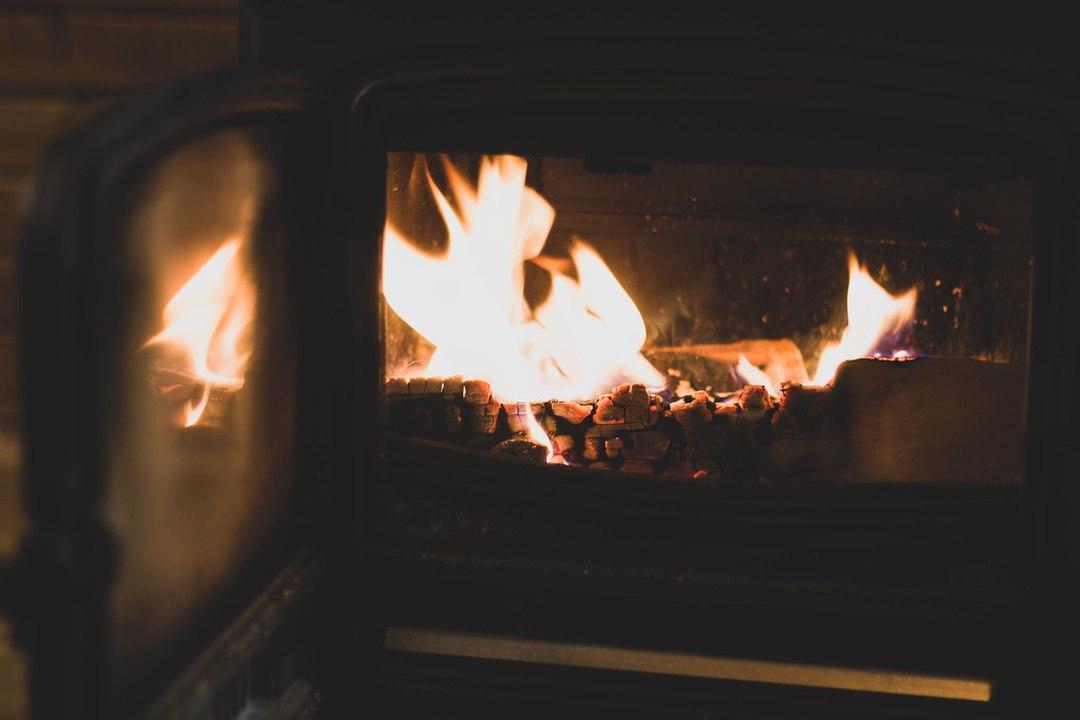
Every insert does one job: it closes the open front of a fireplace with a sealed box and sends the exhaust up its own vent, so the heat stays in the room. Where the three fuels part ways is in what you carry to the hearth, what happens on a winter no-burn day, what happens in a power cut and what the unit asks of you over the years. Owners in Montebello often come to us set on one fuel and leave having picked another, so it helps to see them in one table.
| Gas | Wood | Pellet | |
|---|---|---|---|
| What you bring to it | Nothing, it runs off the house supply | Split, seasoned logs | Bags of pellets poured into a hopper |
| Winter no-burn days | Unaffected, it burns no wood | Stays cold like any wood fire | Ask us about your model when we visit |
| Power cut | Many units still light on a standing pilot, the fan stops | Burns as normal | Stops, the feed motor and fans need power |
| Yearly visit | Burner, pilot, glass and vent | Sweep of the liner and a look at the baffle and gaskets | Clean out of ash and the vent, motor and blower checks |
| Our published price | $2,650 to $5,300 fitted in your brick fireplace | Written figure after measuring | Written figure after measuring |
Gas: the one most Montebello owners pick
A gas insert lights from a switch or a remote, holds an even heat, and leaves no ash. Inside the South Coast air district, which covers Montebello and the rest of the San Gabriel Valley, winter no-burn alerts apply to wood and not to gas, so the fireplace stays usable on the cold, still nights when the alerts tend to land. The flame is real but the logs are ceramic, and some owners miss the crackle.
The work is a liner run up the existing flue, a gas connection at the hearth, the unit and its trim. Most of our fireplace insert jobs in Montebello and Monterey Park are gas for these reasons. The upkeep is light: a yearly check of the burner, the pilot assembly, the glass and the vent cap, which is the gas fireplace cleaning visit.
Wood: the one for people who want a real fire
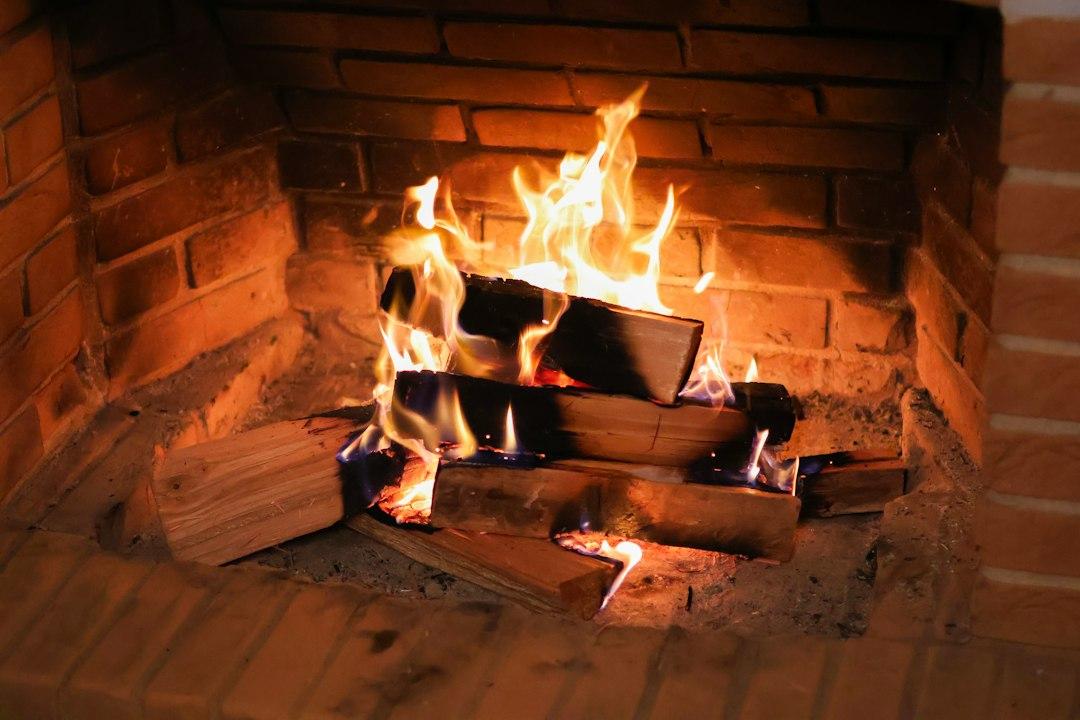
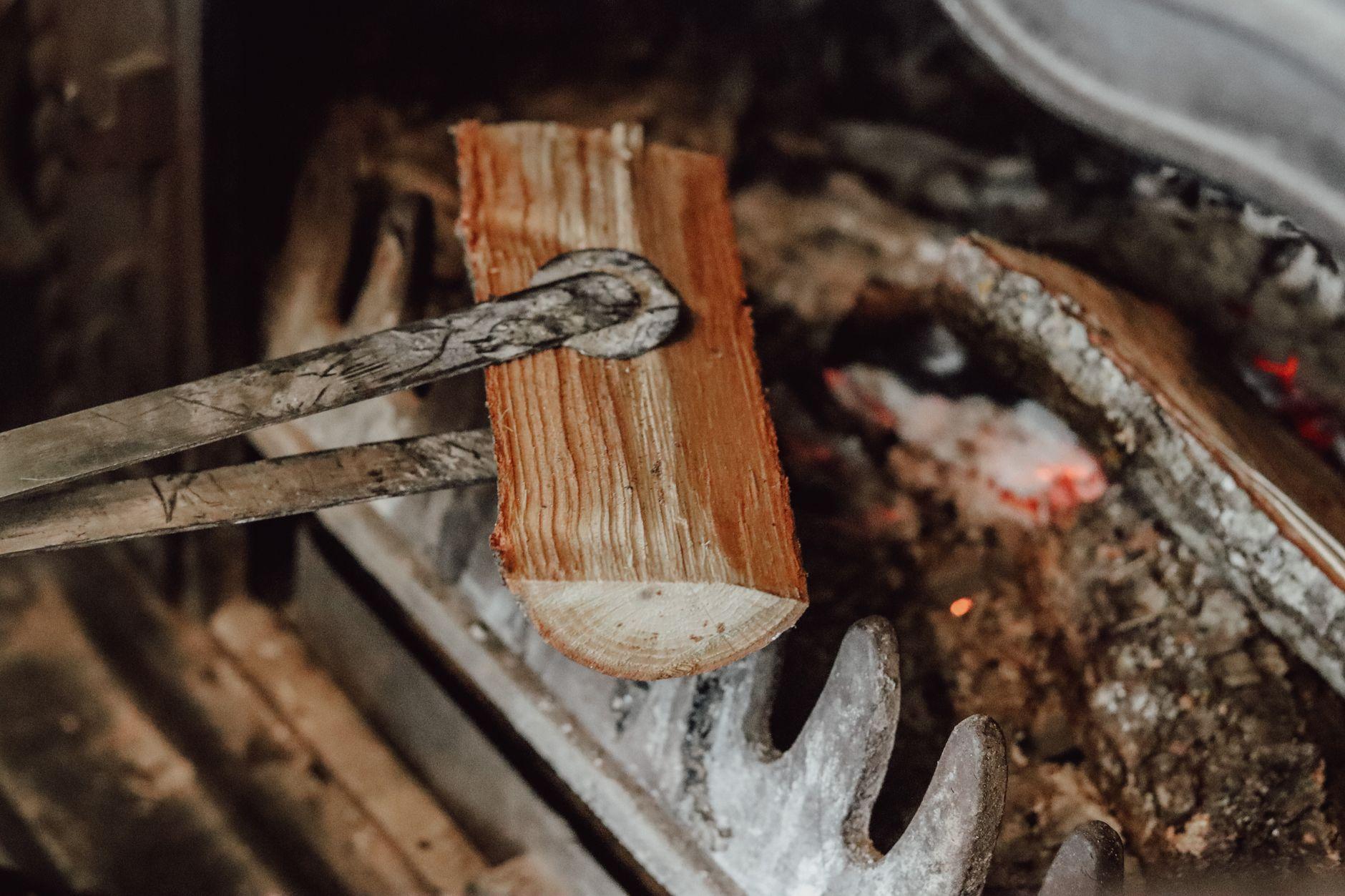
A wood insert is the strongest heater of the three for its size, and it keeps working when the power is out. It also asks the most of you. Logs have to be bought or split, kept dry and carried in. The liner needs sweeping, the door gasket wears and the baffle above the fire gets checked. On a no-burn day it sits idle.
It suits owners who already burn often, have room to store wood and like tending a fire. It suits less well a busy household that wants heat at the press of a button, or a small lot in El Monte where a woodpile has nowhere to go.
Pellet: the efficient middle
A pellet insert feeds small pellets into a burn pot at a steady rate, so it holds a set temperature like a gas unit while burning a solid fuel. It needs a power outlet near the hearth and a narrow vent pipe up the chimney. Pellets come in bags and store neatly in a garage.
The trade is moving parts. A feed motor, fans, an igniter and a control board all wear in time, and when one fails the unit stops. We repair them, and our pellet stove repair page lists the faults we see most. Owners who like a steady heat and do not mind a yearly service visit tend to be happy with pellet.
And gas logs?
A set of gas logs in an open fireplace is a lovely flame, but it is not a heater in the same sense. A vented set needs the flue open, so much of its warmth goes up the chimney with the exhaust. If you mostly want the look of a fire for a few evenings a season, fireplace gas logs cost less than an insert and need no liner. If you want the room warm, an insert is the better match.
What decides the right one for your house
- How often you plan to use it. A few evenings a year points toward logs or gas. Daily winter heat points toward any of the three inserts.
- The size of your opening. A shallow firebox can rule out the larger wood units.
- Gas at the hearth. If a valve is already there, gas becomes simpler and cheaper.
- Power near the fireplace. Pellet needs an outlet; gas fans need one too.
- Storage. Wood needs a dry spot outdoors; pellets need a dry spot indoors.
- Your view of no-burn days. If losing the fire on a cold alert night would annoy you, wood moves down the list.
Tell us which fuels you are weighing and the size of your fireplace opening, and we will bring options for each to the measuring visit with a written figure beside them.
Before any of them goes in
Whatever fuel you choose, the chimney comes first. Changing what burns in a fireplace is a change NFPA 211 expects a full Level 2 inspection for, with the camera run up the whole flue. Ours costs $370. It tells us whether the chimney can carry a new liner as it is, or whether the crown, the top courses of brick or the smoke chamber need work before the unit goes in. Our insert cost guide lays out where gas jobs fall in the price range.
Where we fit them
We plan and install inserts of all three fuels in Montebello, Monterey Park, Whittier and El Monte. If you would like to stand in front of your own fireplace and talk it through with someone who fits all three, ask for a visit on the contact page.
Want the Options Measured for Your House?
Lacey Chimney Experts sizes the opening, films the flue and sets gas, wood and pellet inserts side by side with their figures. Book from Montebello, Monterey Park, Whittier, El Monte or nearby.